

Appletree’s Toddler Program
Big feelings. Bigger curiosity. At Appletree Preschool, our program for children ages 18 to 30 months blends gentle structure with plenty of room to explore, create, and connect — so your child grows with confidence, and you drop them off with peace of mind.
Our Toddler Program
At this stage, toddlers are discovering their independence, developing language rapidly, and learning how to interact with others. Our program provides the right balance of predictable routine, guided exploration, and nurturing support, helping toddlers feel confident as they navigate big emotions and new skills.
Our trained caregivers create a warm, encouraging environment where toddlers are supported as they grow cognitively, socially, emotionally, and physically—always at their own pace
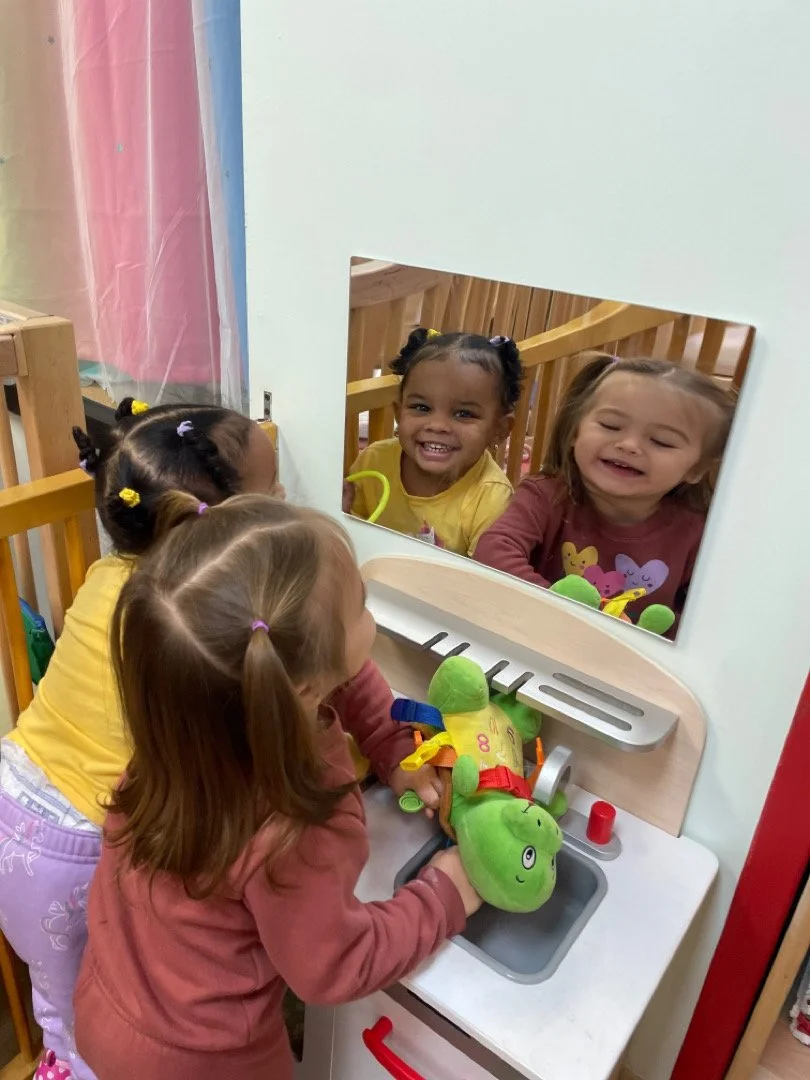
What Makes Our Toddler
Program Special
A calm, nurturing environment where our toddlers receive personalized care, consistent support, and gentle early learning.
A consistent daily routine that builds confidence and security.

Gentle guidance for independence and self-help skills.
Age-appropriate social experiences with peers.
Sensory and hands-on play that supports early development.
Safe, engaging classrooms that meet all NJ state requirements.
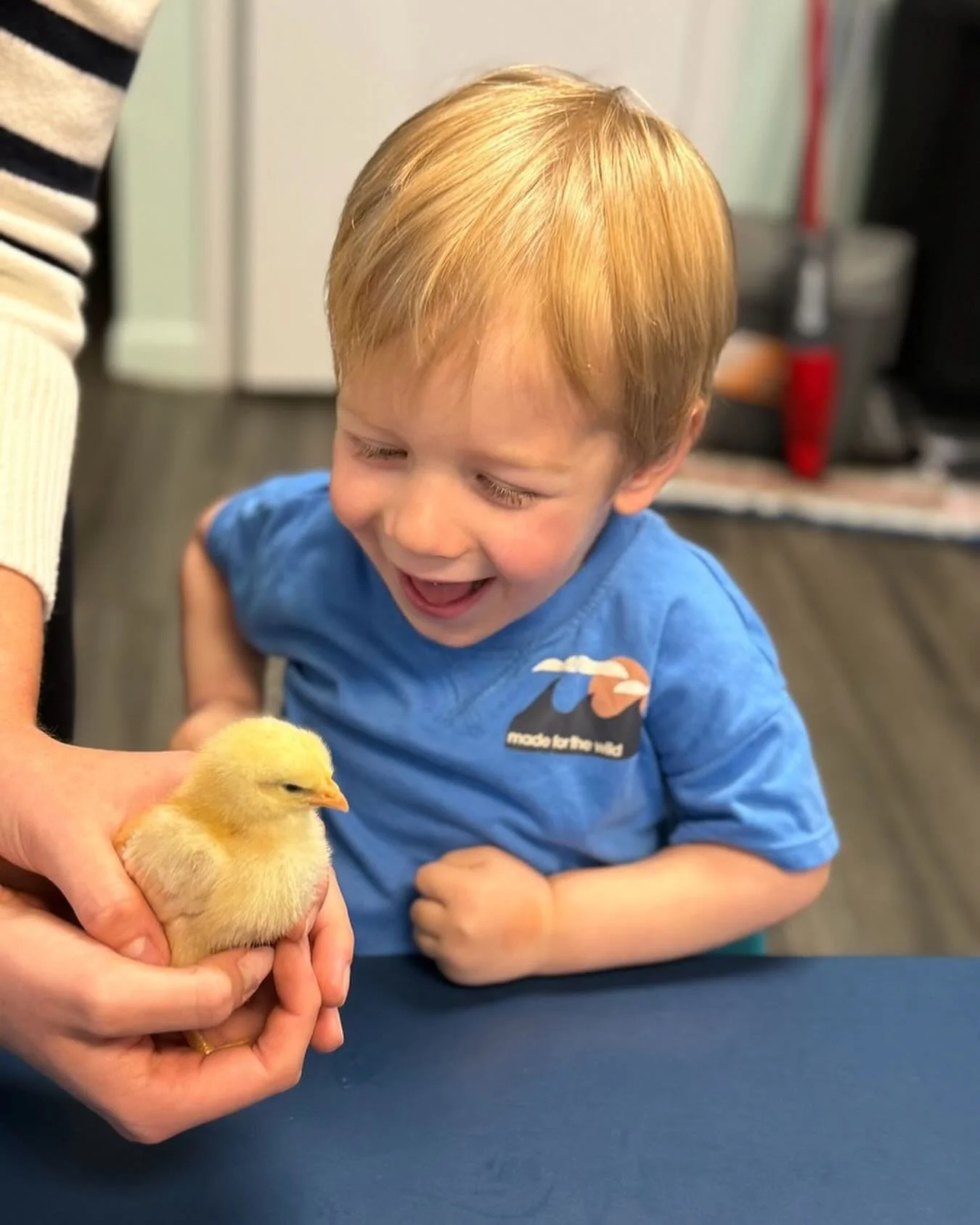
Intentional language-rich environment to support communication.

Our Toddler Curriculum
Appletree Preschool's Toddler Program is designed to meet the whole child — blending early academics, social-emotional learning, and hands-on exploration into every part of the day.
Toddlers learn through doing. Structured routines, music, movement, sensory play, and guided activities work together to build language, communication, and early cognitive skills — while also helping children develop confidence, self-regulation, and the ability to connect with others.
Our curriculum supports growth in the following areas:
-
Following simple directions and routines
Early problem-solving and cause-and-effect exploration
Matching words to pictures, objects, and actions
Introduction to colors, shapes, letters, and numbers through play

-
Learning to express emotions appropriately
Practicing patience, turn-taking, and simple manners
Developing early peer interactions and group awareness
Building confidence through independence and choice

-
Encouraging verbal communication to express needs and ideas
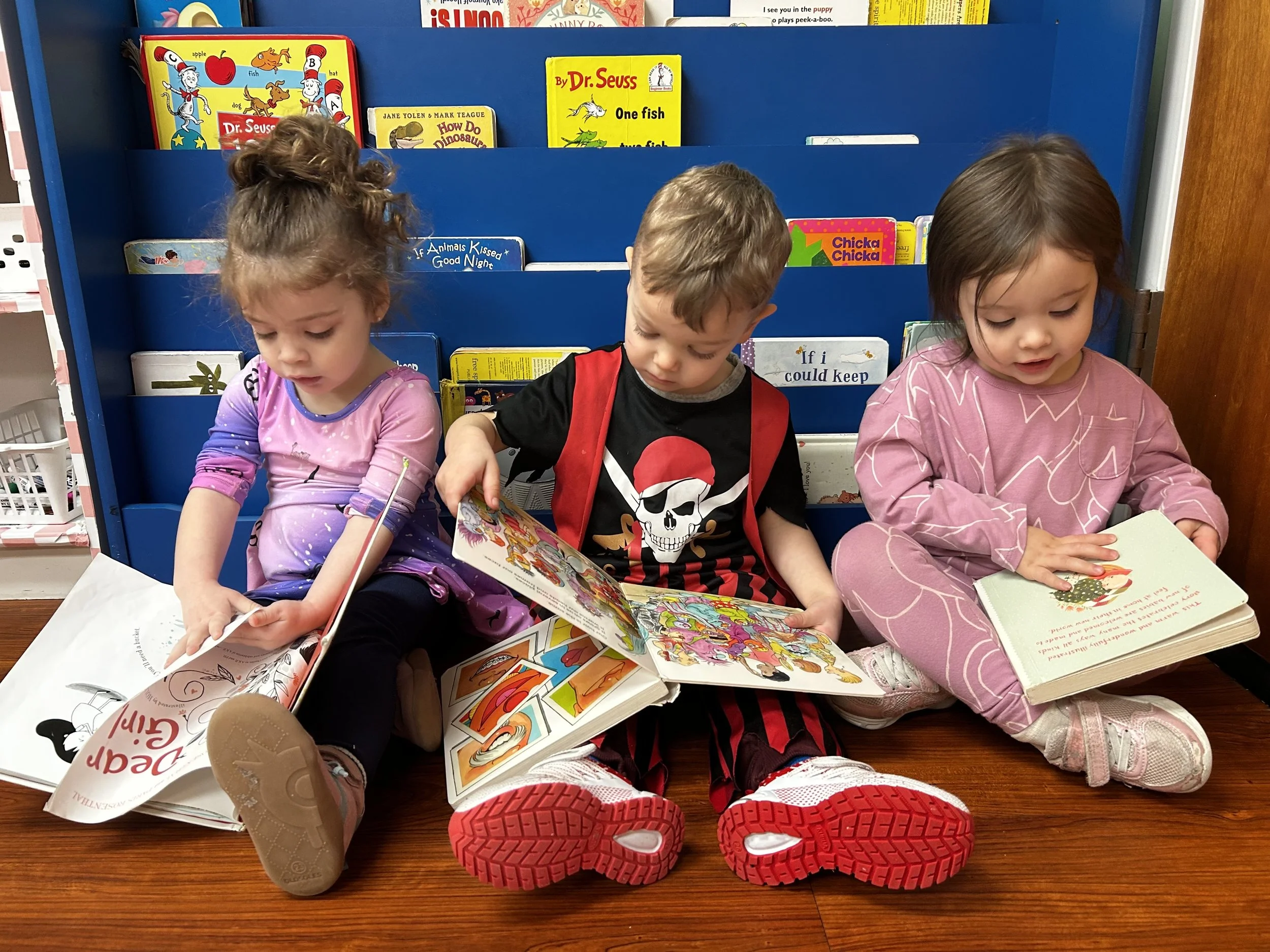
Expanding vocabulary through conversation, songs, and books
Supporting gestures, signs, and early words
Understanding simple instructions and familiar phrases

-
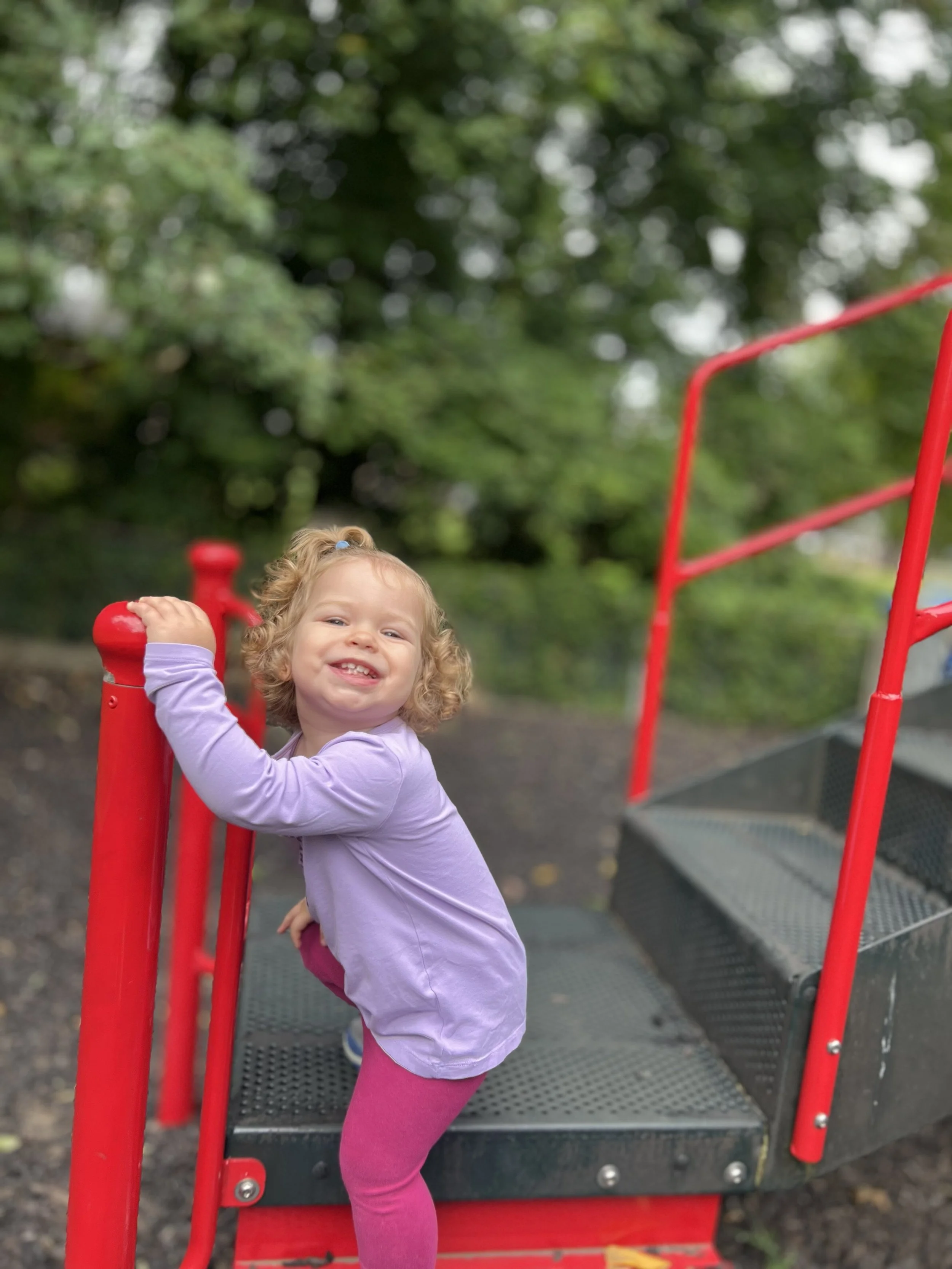
Gross motor growth through climbing, running, and active play
Fine motor development through art, sensory play, and manipulatives
Coordination and body awareness through music and movement

Our Toddler Curriculum in Action
Toddlers ages 18–30 months are gently guided toward independence while always receiving the reassurance and support they need. Our teachers intentionally build learning into every part of the day by:
Using rich language and conversation throughout routines to build vocabulary and communication.

Singing alphabet, number, and movement songs.
Encouraging independence with self-help skills.
Introducing early concepts like colors, shapes, and counting through activities and play.
Supporting early social skills through group play.
Offering creative expression through art, finger painting, and scribbling
Providing daily sensory exploration through sensory tables, textures, and hands-on materials
Toddler Developmental Focus
The milestones below highlight common skills we support in our Toddler classrooms across cognition, language, social-emotional growth, and motor development. Every child develops at their own pace, and our caregivers use these milestones to guide daily activities and individualized support.
-
Follows simple directions
Engages in early pretend play (e.g., feeding a stuffed animal)
Identifies basic body parts
Connects spoken words to pictures and objects
Reacts to familiar songs and stories
Explores cause-and-effect
Finds hidden objects
Shows interest in potty training
-
Walks independently and confidently
Demonstrates balance and coordination
Pulls or carries toys while walking
Climbs furniture or playground equipment
Walks backward or attempts to do so
Begins removing simple clothing items
Helps put toys and materials away
-
Drinks from a sippy cup
Uses a spoon to self-feed
Develops pincer grasp using thumb and finger
Points, pokes, and pinches objects
Places items into and out of containers
Scribbles with thick crayons or markers
Turns pages in a book
-
Babbles with increasing intention
Recognizes familiar names and common objects
Uses sounds or words to express emotions
Understands simple commands such as “stop”
Points to communicate wants or needs
Uses “no” verbally or through gestures
-
Participates in music and movement through gestures or dancing
Enjoys repetition of favorite songs and musical experiences
Uses instruments to explore rhythm and sound
Engages in short group singing or music activities
Shows preference for certain colors, pictures, or materials

Ready to Begin Your Appletree Journey?
See our classrooms, meet our educators, and experience the care that helps children thrive from the very start.